Free Machine Learning Presentation PowerPoint Template
A machine learning presentation for explaining the decision problem, system boundary, evaluation evidence, experiment workflow, release plan, model risks, and review gate.
Eight layouts included
Click any slide to inspect it at a larger size.
A practical structure you can make your own
This free machine learning PowerPoint template helps technical teams explain model evaluation beyond a single metric. Eight editable slides cover the decision problem, system boundary, placeholder evaluation evidence, experiment workflow, release sequence, model and operational risks, and review gate. Its original evaluation-console design uses ultraviolet, cyan, charcoal, metric cells, fold markers, and review thresholds built from native PowerPoint shapes. It does not copy reference neural-network graphics, icons, infographics, algorithms, text, colors in arrangement, fonts, or page layouts.
Best for
- ML model reviews
- AI product teams
- Technical stakeholders
- Responsible AI discussions
Original design with a transparent creation process
Built from a blank canvas with native PowerPoint shapes and system fonts, then manually checked for readability, contrast, overflow, and editability. No source-template assets are included.
A complete eight-slide story
Ready to build your presentation?
Download the editable file now, or use AI to adapt the structure to your content.
Related presentation templates
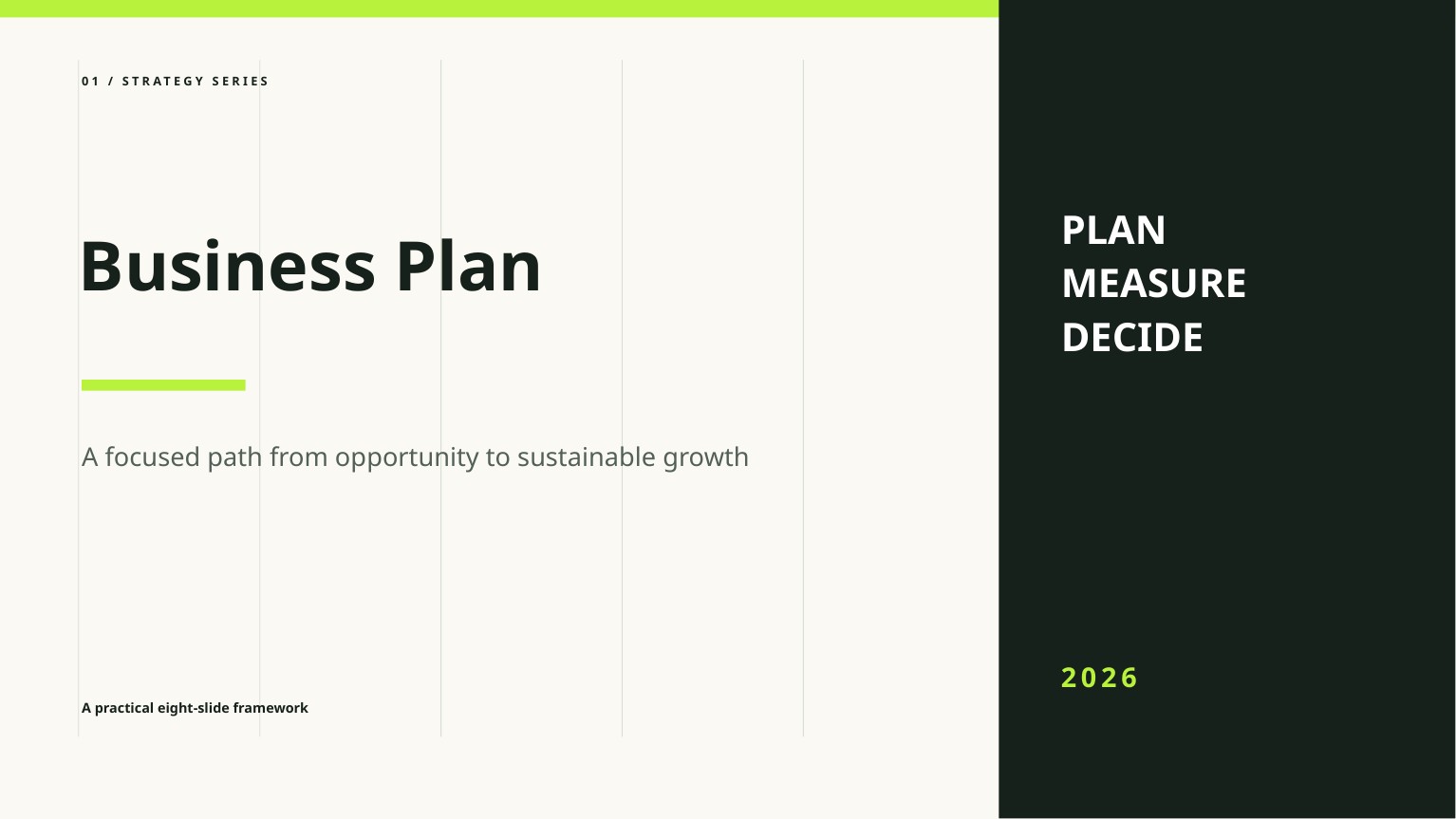
Free Business Plan PowerPoint Template
A clean, editable business plan deck for presenting the opportunity, market, model, go-to-market strategy, operations, and financial outlook.

Free Startup Pitch Deck PowerPoint Template
An editable startup pitch deck template built around a concise problem, solution, market, traction, business model, competition, and funding story.
Frequently asked questions
Is Machine Learning Model Evaluation free to download?+
Yes. The PPTX can be downloaded without signing up and used in personal or commercial presentations under the template license.
Can every slide be edited?+
Yes. Text, colors, shapes, and layout elements are native PowerPoint objects. Replace the English placeholder content and sample figures with your own verified information.
How was this template created and reviewed?+
FreeAIPPT designed it from a blank 16:9 canvas using native shapes and system fonts, then manually reviewed all eight slides for readability, contrast, overflow, and editability.